
 OpenMV MicroPython
 Maps และ Dictionaries#
dictionaries และ maps ของ MicroPython ใช้เทคนิคที่เรียกว่า open addressing และ linear probing บทนี้อธิบายรายละเอียดทั้งสองวิธีนี้
Open addressing#
Open addressing ถูกใช้เพื่อแก้ไขการชน การชนเกิดขึ้นบ่อยมากและเกิดขึ้นเมื่อสองรายการมี hash ไปยัง slot หรือตำแหน่งเดียวกัน ตัวอย่างเช่น กำหนดการตั้งค่า hash แบบนี้:
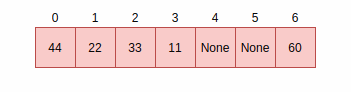
หากมีคำขอเติม slot 0 ด้วย 70 เนื่องจาก slot 0 ไม่ว่าง open addressing จะหา slot ถัดไปที่ว่างใน dictionary เพื่อดำเนินการตามคำขอนี้ การค้นหาตามลำดับสำหรับตำแหน่งสำรองนี้เรียกว่า probing มีอัลกอริทึม probing ลำดับหลายชนิดแต่ MicroPython ใช้ linear probing ที่อธิบายในส่วนถัดไป
Linear probing#
Linear probing เป็นหนึ่งในวิธีการหาที่อยู่หรือ slot ที่ว่างใน dictionary ใน MicroPython ใช้ร่วมกับ open addressing เพื่อดำเนินการตามคำขอที่อธิบายข้างต้น ต่างจากอัลกอริทึม probing อื่น ๆ linear probing สันนิษฐานช่วงคงที่ 1 ระหว่างการ probe คำขอจะถูกดำเนินการโดยการวางรายการใน slot ว่างถัดไปซึ่งคือ slot 4 ในตัวอย่างของเรา:
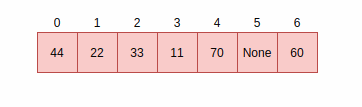
วิธีการเดียวกัน กล่าวคือ open addressing และ linear probing ถูกใช้เพื่อค้นหารายการใน dictionary สมมติว่าเราต้องการค้นหา data item 33 ค่า hash ที่คำนวณได้จะเป็น 2 การมองที่ slot 2 เผย 33 ณ จุดนี้ เราคืนค่า True การค้นหา 70 ค่อนข้างแตกต่างเนื่องจากมีการชนในเวลาของการแทรก ดังนั้นค่า hash ที่คำนวณได้คือ 0 ซึ่งปัจจุบันถือ 44 แทนที่จะคืนค่า False เฉย ๆ เราทำการค้นหาตามลำดับเริ่มต้นที่จุด 1 จนกว่าจะพบรายการ 70 หรือเราพบ slot ว่าง นี่คือวิธีทั่วไปในการทำการค้นหาใน hashes:
// not yet found, keep searching in this table
pos = (pos + 1) % set->alloc;

if (pos == start_pos) {
    // search got back to starting position, so index is not in table
    if (lookup_kind & MP_MAP_LOOKUP_ADD_IF_NOT_FOUND) {
        if (avail_slot != NULL) {
            // there was an available slot, so use that
            set->used++;
            *avail_slot = index;
            return index;
        } else {
            // not enough room in table, rehash it
            mp_set_rehash(set);
            // restart the search for the new element
            start_pos = pos = hash % set->alloc;
        }
    }
} else {
     return MP_OBJ_NULL;
}