
 OpenMV MicroPython
 2.31. 迭代器与生成器#
for 循环所做的工作比它看起来要多。本页将介绍它所依赖的迭代器协议,以及让你能够构建自己迭代器的 yield 关键字。
2.31.1. 迭代器协议#
每个可以被循环遍历的对象都实现了两个方法:
__iter__()—— 返回一个遍历对象各项的迭代器。__next__()—— 在迭代器上返回下一项,当没有更多项时抛出StopIteration。
内置函数 iter() 会调用 __iter__;next() 会调用 __next__。手动逐步遍历一个列表:
it = iter([10, 20, 30])
print(next(it))    # 10
print(next(it))    # 20
print(next(it))    # 30
print(next(it))    # raises StopIteration
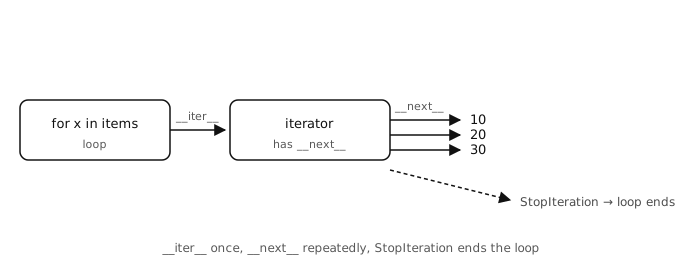
for 是“先调用一次 __iter__,然后循环调用 __next__ 直到 StopIteration”的语法糖。#
for x in items: 实际上做的事情:
_it = iter(items)
while True:
    try:
        x = next(_it)
    except StopIteration:
        break
    # ... loop body ...
每个列表、元组、字符串、字典、集合、文件对象和生成器都已经实现了 __iter__ 和 __next__ —— 这就是它们都能与 for 配合使用的原因。
2.31.2. yield 与生成器函数#
包含 yield 语句的函数是生成器函数。调用它并不会运行函数体;而是返回一个生成器对象(一个迭代器),它每次运行函数体到一个 yield:
def count_up_to(n):
    i = 0
    while i < n:
        yield i
        i += 1

for value in count_up_to(3):
    print(value)
输出:
0
1
2
每次调用 next() 都会恢复函数执行直到下一个 yield,把该值交给调用者,然后在那里暂停。局部状态(本例中是 i)会在两次恢复之间被保留。
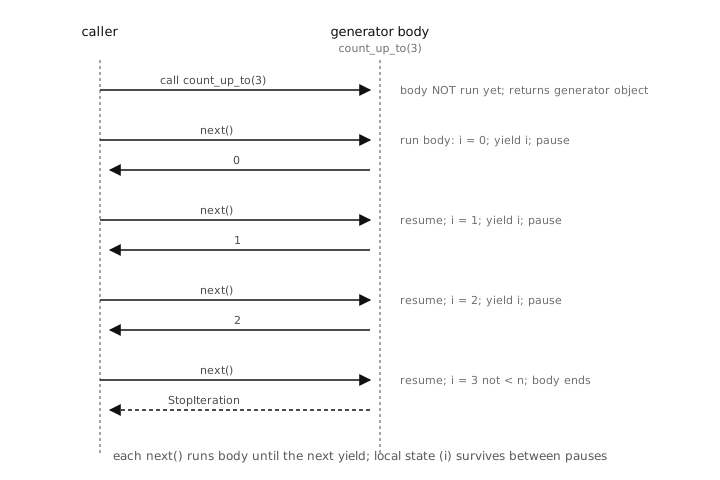
next() 运行函数体直到下一个 yield,把值交还,然后暂停。局部状态在暂停期间得以保留。#
生成器是惰性地产生序列最简便的方式——不会构建列表,只有在消费者请求时才计算各项,而且如果需要的话函数可以无限地产出各项。
2.31.3. 惰性流水线#
生成器可以很好地组合。一个生成器的输出可以作为另一个的输入:
def numbers():
    i = 0
    while True:
        yield i
        i += 1

def squares(source):
    for x in source:
        yield x * x

pipeline = squares(numbers())

for v in pipeline:
    if v > 100:
        break
    print(v)
这些值一次一个地流过流水线——没有中间列表,numbers 没有内置的上限,由消费者(for v in pipeline)决定何时停止。
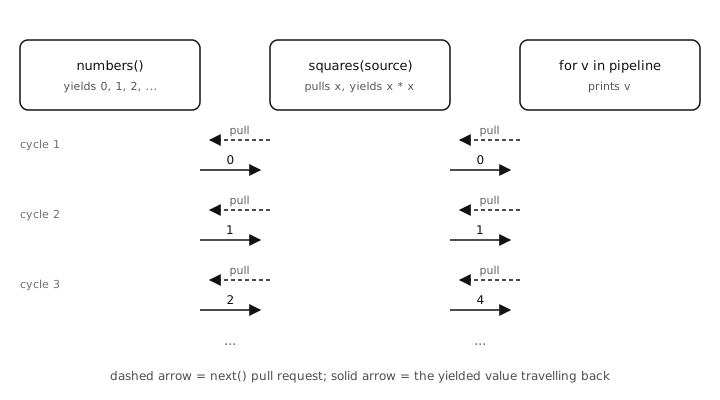
消费者上的每次 next() 都会触发一次贯穿整条链的拉取;只有当某个环节请求时,值才会存在。#
2.31.3.1. yield from#
从另一个可迭代对象中拉取各项并逐一产出,这种循环非常常见,因此 Python 提供了一个快捷方式。表达式 yield from iter 会按顺序产出该可迭代对象生成的每一个值——就好像生成器内联了一个 for x in iter: yield x 循环一样:
def chain(*sources):
    for source in sources:
        yield from source

for v in chain([1, 2, 3], (4, 5), "abc"):
    print(v)
输出:
1
2
3
4
5
a
b
c
yield from 与显式的 for 循环完全等价,只是更简短,而且它能干净利落地将内层可迭代对象的 StopIteration 向上传播到外层生成器——这在将多个生成器首尾相连地串接时很有用。
2.31.3.2. 当 yield 耗尽时#
越过生成器函数的末尾(或遇到显式的 return)会自动抛出 StopIteration。无需手动抛出它;外围的 for 循环会捕捉到它并结束。
当产生数据的代码自然地写成带有几个 yield 点的循环时,使用生成器;当你确实需要把整个序列放在内存中时,使用普通的列表推导式。