
 OpenMV MicroPython
 CMUcam 專案#
開放原始碼可程式化嵌入式彩色視覺感測器
Before the OpenMV Cam, there was the CMUcam. Beginning in 2000 at Carnegie Mellon University, the CMUcam line put real-time machine vision into a small, low-cost, low-power sensor -- something a hobby robot or an 8-bit microcontroller could talk to over a plain serial port. Five generations followed over the next fourteen years, from the original CMUcam1 through to CMUcam5 (Pixy).
OpenMV Cam 正是直接源自那個血脈:同樣是為嵌入式系統打造一款開放原始碼、自成一體的視覺感測器這個理念,被延續到現代的微控制器與 MicroPython 上。這個關聯是直接的——後期各款 CMUcam 背後的實作經驗,直接投入了 OpenMV Cam 的打造。
原始網站 cmucam.org 此後已下線。這些頁面基於歷史目的保存了其相機概觀、wiki 及下載內容,使這份成果不致遺失。文字係從原始網站重製,僅做了少量整理。
概觀#
CMUcam 專案的目標是以智慧型感測器的形式,為小型嵌入式系統提供簡單的視覺能力。CMUcam 開放原始碼、可程式化的嵌入式色彩視覺感測器,是供行動機器人使用的低成本、低功耗感測器。您可以使用 CMUcam 視覺系統來執行許多種不同的板載即時視覺處理任務。
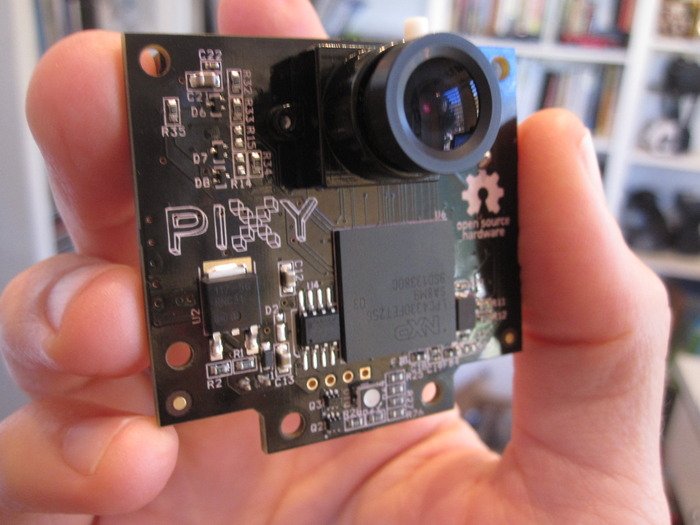
CMUcam5 (Pixy) 2014
Small, fast, and teachable — the Kickstarter hit that carried the CMUcam name to pixycam.com.
Explore →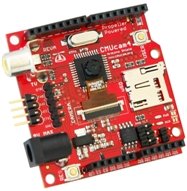
CMUcam4 2012
A Parallax Propeller-based, Arduino-shield-compatible tracking camera with a microSD card slot.
Explore →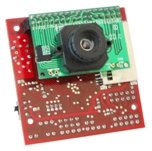
CMUcam3 2007
An ARM7 fully programmable vision sensor — write custom C with the open-source CC3 library.
Explore →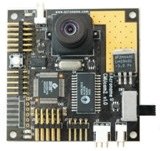
CMUcam2 2003
Faster colour- and motion-tracking with servo control, image windowing, and analog video output.
Explore →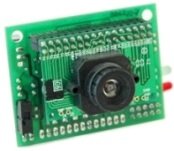
CMUcam1 2002
A low-cost, low-power serial vision sensor for mobile robots — tracks a colour blob at 17 frames per second.
Explore →致謝#
本專案得以進行,有賴於 NASA Ames 智慧系統計畫、Parallax、Lextronic、SparkFun 以及 Semiconductor Research Corporation 的慷慨支持。本專案出自 卡內基美隆大學 的 電機與電腦工程學系、機器人研究所(隸屬於 電腦科學學院)以及 大學部研究辦公室。