
 OpenMV MicroPython
 2.31. 迭代器與產生器#
for 迴圈所做的工作比它表面上看起來的還要多。本頁將介紹它所依賴的迭代器協定(iterator protocol),以及讓你能建構自己迭代器的 yield 關鍵字。
2.31.1. 迭代器協定#
每一個可以被迴圈走訪的物件都實作了兩個方法:
__iter__()-- 傳回一個走訪物件項目的迭代器。__next__()-- 在迭代器上呼叫,傳回下一個項目,或在沒有更多項目時引發StopIteration。
內建的 iter() 會呼叫 __iter__;next() 會呼叫 __next__。手動逐步走訪一個串列:
it = iter([10, 20, 30])
print(next(it))    # 10
print(next(it))    # 20
print(next(it))    # 30
print(next(it))    # raises StopIteration
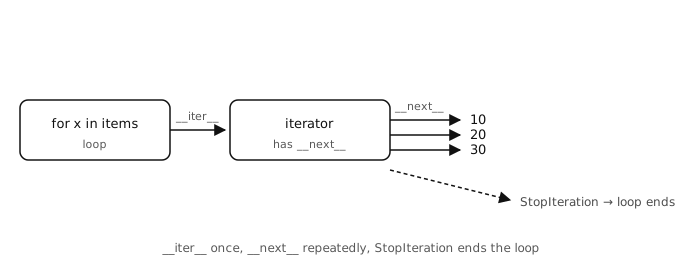
for 是「呼叫一次 __iter__,然後在 __next__ 上不斷迴圈,直到出現 StopIteration」的語法糖。#
for x in items: 實際上做的事:
_it = iter(items)
while True:
    try:
        x = next(_it)
    except StopIteration:
        break
    # ... loop body ...
每一個串列、元組、字串、字典、集合、檔案物件與產生器都已經實作了 __iter__ 與 __next__ -- 這正是它們全都能搭配 for 使用的原因。
2.31.2. yield 與產生器函式#
包含 yield 陳述式的函式是產生器函式。呼叫它並不會執行函式主體,而是傳回一個產生器物件(一種迭代器),它每次只執行函式主體中的一個 yield:
def count_up_to(n):
    i = 0
    while i < n:
        yield i
        i += 1

for value in count_up_to(3):
    print(value)
輸出:
0
1
2
每一次對 next() 的呼叫都會恢復函式的執行,直到下一個 yield,將該值交給呼叫者,然後在那裡暫停。區域狀態(此例中為 i)會在多次恢復之間被保留。
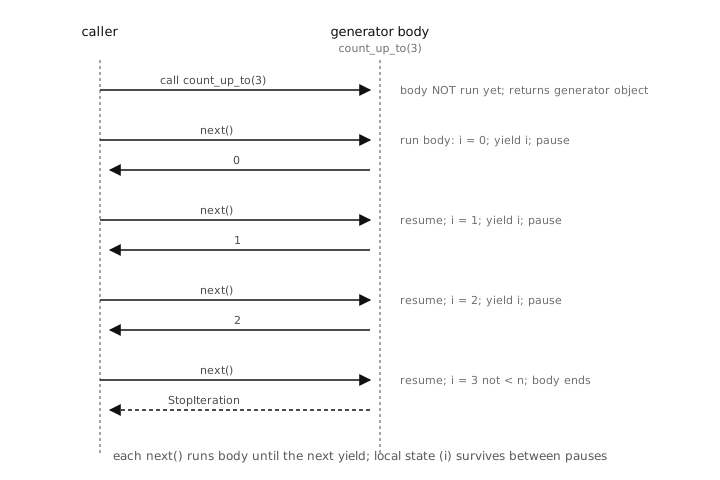
next() 會執行函式主體直到下一個 yield,把值交回,然後暫停。區域狀態會在暫停期間存續。#
產生器是惰性產生序列最簡單的方式 -- 不會建構任何串列,項目只在消費者要求時才會被計算,而且函式想要的話可以永無止境地產出項目。
2.31.3. 惰性管線#
產生器可以良好地組合。一個產生器的輸出可以餵入另一個產生器:
def numbers():
    i = 0
    while True:
        yield i
        i += 1

def squares(source):
    for x in source:
        yield x * x

pipeline = squares(numbers())

for v in pipeline:
    if v > 100:
        break
    print(v)
這些值一次一個地流經管線 -- 沒有中間串列,numbers 中也沒有內建上限,由消費者(for v in pipeline)決定何時停止。
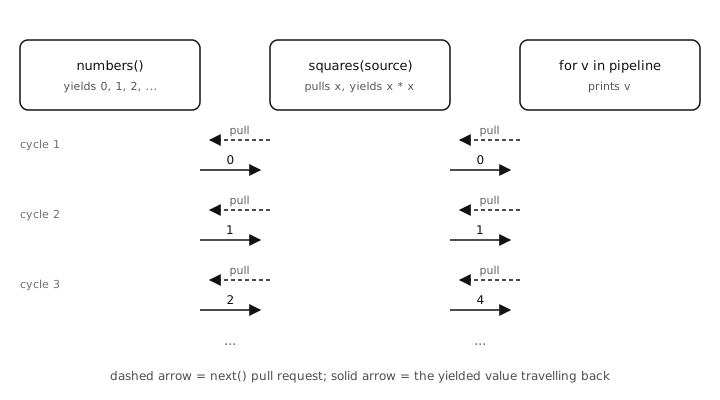
消費者上的每一次 next() 都會觸發一次貫穿整條鏈的拉取;值只有在有東西要求時才會存在。#
2.31.3.1. yield from#
從另一個可迭代物件拉取項目並逐一產出,這種迴圈夠常見,因此 Python 提供了一個捷徑。yield from iter 運算式會依序產出該可迭代物件所產生的每一個值 -- 就如同產生器內嵌了一個 for x in iter: yield x 迴圈一般:
def chain(*sources):
    for source in sources:
        yield from source

for v in chain([1, 2, 3], (4, 5), "abc"):
    print(v)
輸出:
1
2
3
4
5
a
b
c
yield from 與明確的 for 迴圈完全等價,只是更簡短,而且它能將內層可迭代物件的 StopIteration 乾淨俐落地向上傳遞到外層產生器 -- 在將數個產生器首尾相連串接時非常有用。
2.31.3.2. 當 yield 用盡時#
執行到產生器函式的結尾之外(或遇到明確的 return)會自動引發 StopIteration。不需要手動引發它;外圍的 for 迴圈會偵測到它並結束。
當產生程式碼自然地寫成帶有幾個 yield 點的迴圈時,請使用產生器;當你真的需要將整個序列保留在記憶體中時,請使用單純的串列生成式。