
 OpenMV MicroPython
15.4. OpenMV Arduino RPC Library
The openmv-arduino-rpc
library is the Arduino-side counterpart to the cam’s
rpc module. The cam registers Python callables;
the Arduino calls them as if they were local functions,
over UART, SPI, I2C, or CAN. No PC sits in the middle.
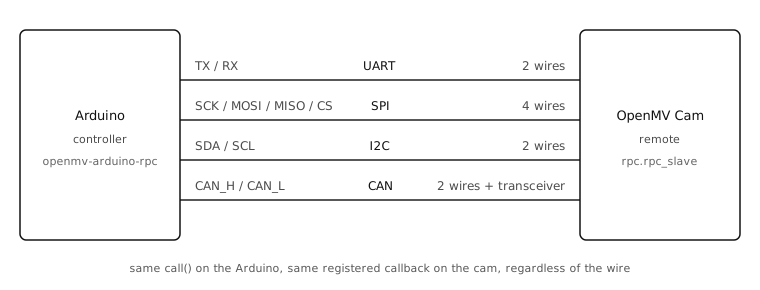
The pattern is symmetric. The Arduino sketch picks the transport class that matches the wire, calls a function on the cam by name, and gets the return value back. The cam side mirrors it: register Python callables, run the library’s polling loop. Framing, fragmentation, and retries on a noisy bus are handled by both sides underneath, so application code sees just “call a function on the other board, get a result back.”
The repo’s examples cover the two shapes most projects need: short remote-control calls (read a sensor, drive a pin, run a detector and read the result back) and JPEG image streaming from the cam to the Arduino for forwarding onward. Paired cam-side scripts ship in the openmv tree under 08-RPC-Library/.
The repo README covers per-transport wiring; the rpc — rpc library reference covers the cam-side API in full.